Sustainable Construction Through Reinforcing Steel Solutions
Don’t think that sustainable construction can only be achieved by picking ‘green‘ finishes or using less energy after a building has been built. The environmental impact of a structure can be influenced by the variety of factors such as the type of materials used, how easily the construction is made, how much waste is generated, the durability, and how long the structure is expected to last. Therefore, it is important to have a well-designed reinforcing steel design for this purpose, to allow more efficient and durable construction. Reinforcing steel suppliers like RWAP offer reinforcing steel solutions and other fabrication services for construction projects.
A structural role for reinforcement is found inside concrete, a role that makes steel particularly important. When reinforcement is properly specified, fabricated and installed, it enables concrete structures to withstand the forces it is intended to withstand. This can help to increase the longevity and durability of the product, which is significant in terms of the environmental footprint of building.
Selection of Critically Important Materials
All construction projects need materials and all materials have an environmental footprint from their extraction, processing, transportation, production, use, maintenance and disposal. Sustainability can’t only be addressed once the materials are at a construction site. Project teams should also determine if materials are suitable for the intended use, if the quantities required for the project can be estimated correctly, if waste can be minimized, and if the chosen structure will work effectively for the design life.
There is an important aspect to this discussion and that is the role of reinforcing steel in the structure, as a partner to the concrete. Reinforcement, if customarily designed and installed to meet project needs, becomes a permanent component of the building or infrastructure, and not a structural material used as a temporary construction material.
Durability and Longer Service Life
One way construction can help to decrease resource use over the long term is to design structures that will last longer. An additional amount of materials and transportation, labor and energy may be needed if a structure is in need of frequent major repair or replacement. Durability is thus an environmental issue.
Reinforcement can be used to reinforce concrete constructions to resist stresses to which concrete is not as well suited. Use of reinforcing bars, mesh, fitments and other related elements can be used to reinforce the structural performance if used as per engineering requirements. The amount of reinforcement required is a function of the design of the structure, its surroundings, loading, concrete properties and standards.
Minimizing On-site Waste Material through Prefabrication
Another important sustainability factor is construction waste. Steel cutting and bending at an active construction site can result in off-cut waste, and may need to be handled as well. Another option is to prefabricate. Steel reinforcement can be cut, bent, assembled or fabricated prior to delivery to construction site. This can enable some production operations to be carried out within a controlled setting.
If planned correctly, prefabrication can help to predict material use. The components can be manufactured within the desired sizes and quantities, rather than having to be extensively modified after delivery. This does not necessarily imply that all prefabricated parts result in fewer wastes. To obtain the environmental benefit, planning, production, transport and residual material handling must be done appropriately.
Reducing Unnecessary Materials Through Better Planning
The easiest way to make things more sustainable is to not order more material than needed for a project. To be able to determine the quantity of materials needed before purchasing, construction teams should be able to accurately estimate and have a clear project specifications. Digital drawings and project management systems can also enhance communication between engineers, contractors, steel fabricators, and suppliers.
Clear information allows suppliers to prepare information based on specific requirements. This can help to decrease the risk for incorrect orders, and for unwarranted substitutions. The key is simple; the closer a project is able to align the supply of materials with the project needs, the greater control over waste can be achieved.
Steel’s Recyclability
Another characteristic of steel is that it can be recovered and recycled. The end of the useful life of a building or infrastructure project is that steel elements can be recovered and processed for future steel production. Not everything made of steel can be recycled back to another construction project.
Factors that affect recovered materials include collection, separation, transportation, processing, and market demand. However, the well-established recycling routes for steel are an important factor to take into account when assessing materials from a lifecycle perspective. Especially in the construction industry, where high amounts of steel can be found in large projects.
Environmental Benefits of Efficient Construction
Efficient operation of a construction project can also have an impact on sustainability. If a project is plagued by setbacks, it could need extra equipment operating time, transportation, storage, labor and material handling. There is some unnecessary activity which can be minimised through efficient supply and fabrication process.
If reinforcement is received ready to use, for instance, this decreases the amount of cutting and bending at the construction site. It can also assist workers to arrange the installation along planned construction phases. According to its supply course, RWAP provides information on specification confirmation, preparation, manufacture, quality checking and delivery and/or pick up. A predictable workflow can enable more effective project coordination, but the effectiveness of the environmental outcomes will depend on the contractor’s overall project management.
Minimizing Transport Related Waste and Inefficiency
Another consideration is transportation. Fuel, equipment and planning are required to move materials from manufacturing to warehouse and then to construction sites. Deliveries can be poorly coordinated leading to extra trips or handling.
Efficiencies can be gained in logistics by combining deliveries where feasible and arranging them around the actual site requirements. The coordination of large reinforcement orders can be especially crucial, as steel products can be heavy and may need to be handled, unloaded and stored in an appropriate manner. If you know what the delivery windows are for the supplier, and what the project schedule is, it will make coordination easier.
The Importance of Storage
The various steel materials require suitable storage before installation. This can lead to needless handling, damage, contamination, or problems finding the right pieces if the parts are not stored well. These can be prevented with good site organization.
Builders can enhance the management of materials by identifying storage spaces, sorting the various types of materials, keeping good records and securing materials when needed by the project. This is an easily implemented part of building management that can help increase efficiency in the overall project.
Whole Project Approach for Sustainability
It is crucial not to automatically assume a material is sustainable or not.
Reinforcing steel can be a valuable part of this strategy, both in terms of structural durability and in terms of incorporating it into effective processes of prefabrication and material management. But there are numerous design, engineering, construction, manufacturing, supplier and building owner decisions that ultimately impact the environmental performance of a project.
The Future of Sustainable Steel Construction
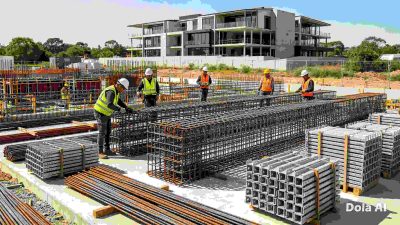 With the environment now playing a more significant role, building firms are likely to be continuing their search for efficient uses of materials. This could be achieved with digital design, automated fabrication, prefabrication, improved inventory management, improved logistics, and recycling.
Suppliers and fabricators of steel can help make this transition a reality by delivering the right products, accurate specifications, efficient fabrication, and a reliable supply. It should not just be about reducing the amount of material. The goal is to achieve the appropriate material, the right amount, at the right place, with a minimum amount of unnecessary waste and the necessary performance.
Conclusion
However, to make a building sustainable, more than selecting products with environmental claims is needed. It is a thoughtfully driven decision-making process, which is undertaken throughout a project’s life cycle. In a manner, reinforcing steel can help achieve this by supporting structures that last, allowing for prefabrication, help to plan materials accurately, and offer a material that can be recovered and recycled.
Properly designed, fabricated, transported, installed and managed reinforcement can be integrated into a construction process that balances both structural and responsible use of resources. In the modern construction practice, sustainability is the result of a perfect design, efficient work process, high quality materials, responsible management, and long-term thinking.

 When you think of chandeliers, you might picture grand crystal fixtures hanging in luxurious ballrooms or elegant dining rooms. But what if these dazzling lights could also be a beacon of sustainability? Enter solar-powered chandeliers, a growing innovation in eco-friendly lighting that blends style,



 In the last ten years, the auto industry has undergone a revolution. While conventional vehicles are still going strong, the production of cheap, mass-produced hybrids and
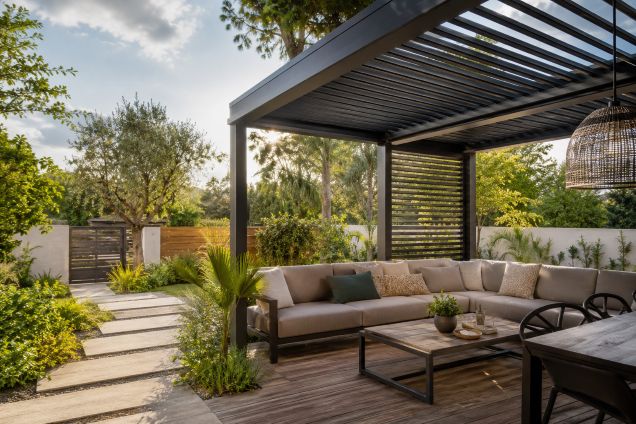



 The vibrant world of cosplay, traditionally known for its elaborate and often resource-intensive creations, is undergoing a significant transformation. A growing movement among cosplayers is prioritizing environmental sustainability, integrating green practices into every stage of costume design and creation. This shift reflects a broader societal awareness of ecological impact, proving that passion for pop culture and environmental stewardship can beautifully coexist. From global conventions to local meetups, the commitment to eco-friendly methods is not just a trend; it’s becoming an integral part of the culture, influencing how enthusiasts approach their craft and interact with their community.
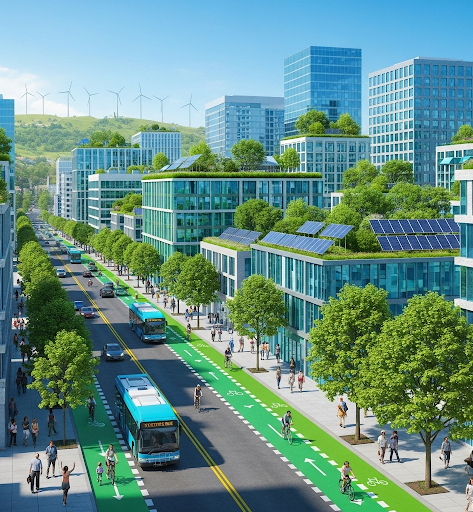
 Environmentalists face a daunting challenge in the digital age. The internet is full of information, but not all of it is accurate. For eco-conscious readers, researchers, and advocates, finding credible resources is crucial. Curated platforms act as guiding lights, helping users access authentic articles, government reports, and NGO updates while avoiding misinformation.
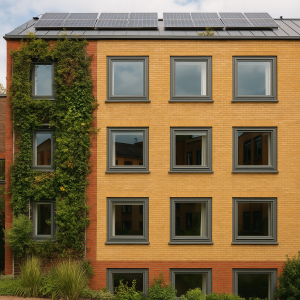 For cities seeking to meet sustainability goals and businesses aiming to reduce energy costs, commercial retrofitting presents a practical path forward. Instead of tearing down old buildings and starting fresh,
 We often overlook the value of what we already own, especially when it comes to furniture. That worn armchair or out-of-style couch might seem ready for the landfill, but more and more people are choosing to reupholster instead. It’s a simple shift with a significant impact—giving old pieces new life while doing
  When planning a trip, many people focus on what to pack. But few consider how their luggage choice can impact the environment. Choosing a lightweight suitcases under 10kg is a simple change that can help reduce your carbon footprint while making travel easier.
 Electronic waste, or e-waste, includes discarded electronic devices such as smartphones, laptops, televisions, and batteries. As technology advances, people replace their devices more frequently, leading to an overwhelming amount of waste.
 Fencing is often seen as a long-term investment. However, the environmental consequences of certain materials can be quite harmful. Traditional wood fences, for example, come from cutting down trees, contributing to deforestation and affecting local wildlife and ecosystems. Additionally, these wooden fences can require regular maintenance, which involves toxic chemicals like paints and preservatives that are harmful to the environment.
 When it comes to safeguarding your travel trailer from the elements, a durable cover is your best line of defense. Whether you’re parked at a campsite, in your driveway, or in storage, exposure to the environment can cause significant wear and tear over time. From harsh UV rays that can fade your exterior to rain, snow, and debris that can lead to rust and damage, protecting your investment is essential for prolonging its lifespan. A high-quality travel trailer cover not only shields your vehicle from these threats but also helps maintain its resale value. If you’re looking for the perfect solution to keep your trailer in prime condition.



 Another benefit of this sustainable art form is its
 One of the perks of visiting South Korea for a business trip is the chance of experiencing the
 Currently, massage sessions in South Korea are recognized as a health therapy. Thai, Swedish and Aroma massages, foot spas and acupuncture are widely acknowledged as the most effective ways of relieving stress and body pinches to relax one’s body. It’s a treat regular international business travellers look forward to in South Korea.