

The Growing Problem of Electronic Waste and Its Environmental Impact
Electronic waste is one of the fastest-growing environmental problems in the world. Millions of discarded gadgets, batteries, and electronic components end up in landfills yearly. These waste products release toxic substances, polluting soil, water, and air.
What Is Electronic Waste?
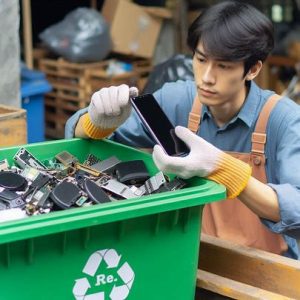 Electronic waste, or e-waste, includes discarded electronic devices such as smartphones, laptops, televisions, and batteries. As technology advances, people replace their devices more frequently, leading to an overwhelming amount of waste.
Unlike regular trash, e-waste contains hazardous materials like lead, mercury, and cadmium. Improper disposal allows these chemicals to seep into the environment, harming wildlife and human health.
How E-Waste Contributes to Pollution
The majority of e-waste is not recycled properly. Instead, it is dumped in landfills or incinerated. Burning electronic components releases dangerous toxins into the air, contributing to respiratory diseases and global warming.
Landfills containing e-waste pose long-term risks. Over time, heavy metals leach into the soil and water supply, contaminating drinking water sources. This can have severe consequences for both humans and animals.
Why Recycling E-Waste Matters
Proper recycling of electronic waste reduces pollution and conserves valuable materials. Many electronic components contain reusable metals like gold, silver, and copper. By recycling, manufacturers can reduce the need for mining, which further helps the environment.
Several countries have introduced e-waste recycling programs, but global participation remains low. Raising awareness about responsible disposal is crucial to reducing waste and preventing environmental damage.
What Can Be Done?
Consumers play a significant role in reducing e-waste. Small actions can make a big difference, such as repairing devices instead of replacing them, donating old electronics, or choosing brands that support recycling initiatives.
Companies must also take responsibility by designing products that last longer and are easier to repair. Some industries are already promoting sustainability, offering trade-in programs and eco-friendly packaging.
The Role of Vaping in E-Waste
Vape products contribute to e-waste especially disposable devices. These products contain batteries, plastics, and metal components that are difficult to recycle. Many users discard them improperly, adding to the growing environmental problem.
One way to reduce this impact is by choosing reusable vape products. For instance, some options like pre filled vape carts offer a more sustainable alternative by reducing waste from disposable vapes.
Government Regulations on E-Waste
Many governments are implementing stricter regulations to address the issue of e-waste. Some countries have established take-back programs, requiring manufacturers to collect and recycle old electronics.
Legislation also pushes companies to design products with sustainability in mind. Authorities aim to create a more responsible approach to electronic consumption by enforcing stricter guidelines.
READ ALSO: Ensuring a Sustainable Future by Safeguarding the Environment’s Significance
Final Thoughts
Electronic waste is a growing concern that affects the planet and human health. With technology advancing rapidly, finding sustainable solutions is more important than ever. Consumers, businesses, and governments must work together to minimize waste and promote responsible recycling.
By making conscious choices—such as repairing instead of replacing, recycling properly, and supporting sustainable brands—everyone can contribute to a cleaner, healthier environment.