Hiring Reliable House Cleaning Company in Dubai Supports Environmental Awareness
When people talk about greenhouse gases, the discussion usually centers on transportation, factories, electricity generation, and large-scale industry. Those sectors do produce major emissions, but sustainability is not only shaped by big systems. Daily household choices also matter. The products used in a home, how much water is consumed, how much waste is created, and whether cleaning methods are efficient all affect environmental impact. In this context, a reliable house cleaning company in Dubai can contribute to environmental awareness by helping households maintain cleaner spaces through smarter, more responsible cleaning practices.
Sustainable Living Starts with the Home
Environmental responsibility often begins at the household level. The home is where many everyday consumption habits are formed, from water use to product selection and waste disposal. If cleaning routines rely on excessive packaging, harsh chemicals, disposable materials, or inefficient methods, the environmental cost adds up over time.
Any reliable cleaning company can help households make better choices by introducing structured cleaning practices that reduce waste and improve efficiency. For example, a professional team may use measured amounts of cleaning solutions instead of overapplying products. It may also use reusable cleaning materials where appropriate, reducing dependence on single-use wipes or paper towels.
These habits matter because they make sustainability practical. Professional cleaners can normalize these practices and show that greener choices do not require sacrificing cleanliness or convenience.
How Efficient Cleaning Reduces Waste?
One of the clearest ways a cleaning company can support environmental awareness is by reducing unnecessary waste. In many homes, cleaning waste comes from overuse of materials rather than from the cleaning process itself.
Efficient cleaning helps address this problem by focusing on preparation, technique, and product management. A professional house cleaning company can reduce waste through:
- Proper measurement of cleaning products
- Use of durable microfiber cloths and tools
- Avoiding overconsumption of disposable supplies
- Matching the right product to the right surface
These practices lower the amount of material that ends up in household trash. They also reduce the need to replace cleaning supplies as often, which cuts down on packaging and transport-related emissions.
The Role of Eco-Friendly Cleaning Products
Cleaning products are an important part of environmental awareness because many households use them frequently without considering their long-term impact. Conventional cleaners may be effective, but some contain ingredients that are harder on indoor air quality, water systems, or packaging waste.
Eco-friendly cleaning products are designed to clean effectively while reducing environmental harm.
They often use biodegradable ingredients, concentrated formulas, and safer handling profiles. When used correctly, they can clean kitchens, bathrooms, floors, glass, and other surfaces without relying heavily on aggressive chemical loads.
A reliable house cleaning company in Dubai can support greener living by selecting products that are:
- Environmentally responsible
- Suitable for repeated household use
- Safer for indoor air quality
- Better aligned with waste reduction goals
This matters for more than environmental reasons. Homes with children, pets, or residents sensitive to odors and strong chemicals may also benefit from cleaner indoor air and gentler cleaning methods. Environmental awareness and household health often overlap.
Why Professional Cleaning can Support Smarter Resource Use?
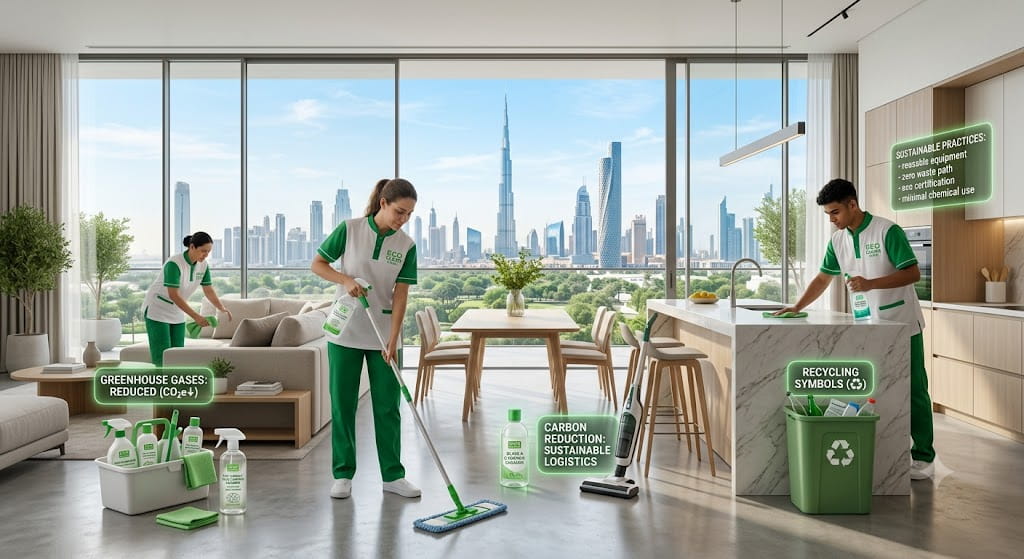
Resource conservation is another major part of environmental responsibility. House cleaning uses water, electricity, and cleaning supplies, so how those resources are managed makes a difference. Professional cleaners trained in efficient methods often use less water and fewer products than unstructured household cleaning routines, which can include:
- Targeted cleaning instead of repeated over-cleaning
- Equipment designed to improve efficiency
- Sequenced cleaning plans that reduce time and energy waste
- Techniques that limit unnecessary rinsing or product application
Efficient cleaning is especially valuable in larger homes or high-traffic households where daily maintenance can otherwise consume significant resources. By using systems that save time, water, and materials, cleaning companies help reduce the hidden costs of maintaining a home.
The result is a cleaning process that is both effective and more environmentally responsible.
Choosing Cleaning Services that Reflect Environmental Values
For households interested in sustainability, choosing the right provider matters. A reliable company should be transparent about the products it uses, the methods it follows, and the waste it generates. Being the client, the homeowners, you have all the right to ask practical questions such as:
- Does the company use eco-friendly products?
- Are reusable tools part of the cleaning process?
- How does the company handle waste and packaging?
- Does it follow efficient methods that reduce water use?
- Are staff trained in responsible cleaning practices?
These questions help families identify service providers that align with environmental goals.
Cleaning Choices with Long-Term Environmental Value
House cleaning may seem like a small part of environmental action compared with industrial emissions or transportation policies, but household behavior shapes larger patterns of consumption and waste. A reliable house cleaning company in Dubai can make a meaningful difference by promoting efficient cleaning methods, limiting unnecessary waste, and encouraging the use of eco-friendly products.
That value goes beyond appearance. It reflects a practical approach to sustainability that starts inside the home and extends outward. When cleaning is done efficiently and responsibly, households create healthier spaces while also reducing their environmental footprint. In that sense, every thoughtful cleaning choice supports a larger goal: a cleaner home that contributes to a greener future.
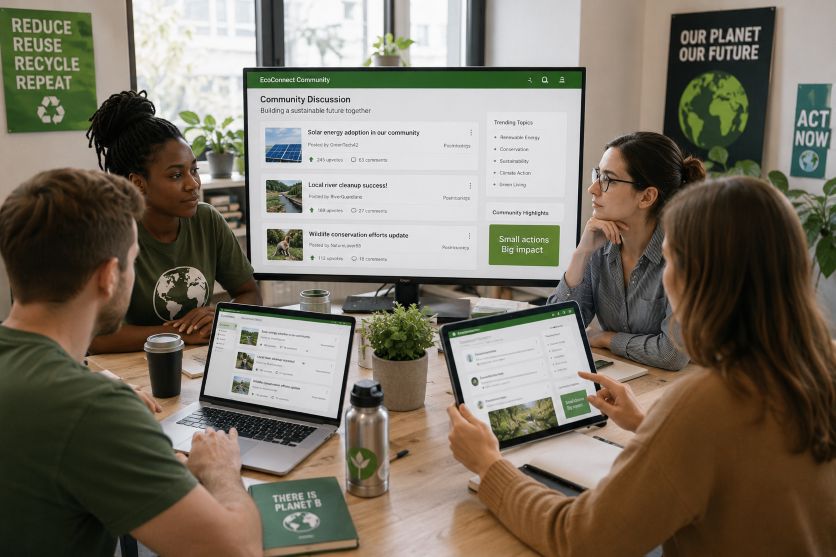

 When you think of chandeliers, you might picture grand crystal fixtures hanging in luxurious ballrooms or elegant dining rooms. But what if these dazzling lights could also be a beacon of sustainability? Enter solar-powered chandeliers, a growing innovation in eco-friendly lighting that blends style,



 Moving or relocating to another home can be a daunting as well as a chaotic task as there seem to be countless of things you need to think about. One of this is transporting all of your things to your new house. Thankfully, there moving companies, such as moving company orange county ca, that can greatly help you with this task.
 Opt for Packing Materials that are Eco-Friendly
 In the last ten years, the auto industry has undergone a revolution. While conventional vehicles are still going strong, the production of cheap, mass-produced hybrids and
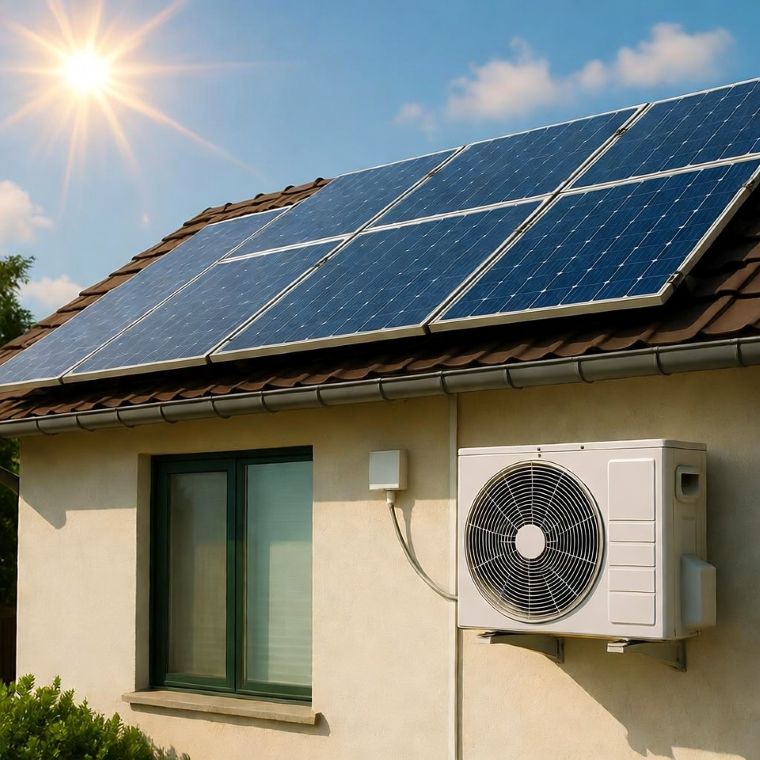

 The vibrant world of cosplay, traditionally known for its elaborate and often resource-intensive creations, is undergoing a significant transformation. A growing movement among cosplayers is prioritizing environmental sustainability, integrating green practices into every stage of costume design and creation. This shift reflects a broader societal awareness of ecological impact, proving that passion for pop culture and environmental stewardship can beautifully coexist. From global conventions to local meetups, the commitment to eco-friendly methods is not just a trend; it’s becoming an integral part of the culture, influencing how enthusiasts approach their craft and interact with their community.
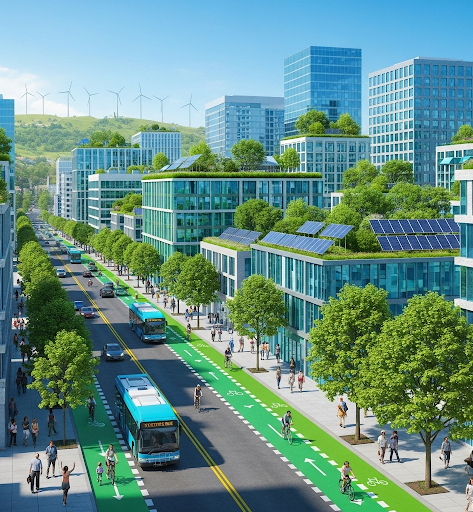
 Environmentalists face a daunting challenge in the digital age. The internet is full of information, but not all of it is accurate. For eco-conscious readers, researchers, and advocates, finding credible resources is crucial. Curated platforms act as guiding lights, helping users access authentic articles, government reports, and NGO updates while avoiding misinformation.
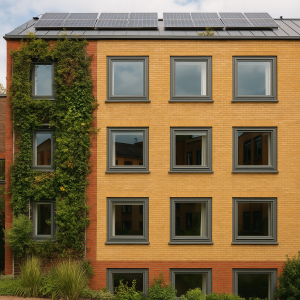 For cities seeking to meet sustainability goals and businesses aiming to reduce energy costs, commercial retrofitting presents a practical path forward. Instead of tearing down old buildings and starting fresh,
 We often overlook the value of what we already own, especially when it comes to furniture. That worn armchair or out-of-style couch might seem ready for the landfill, but more and more people are choosing to reupholster instead. It’s a simple shift with a significant impact—giving old pieces new life while doing
  When planning a trip, many people focus on what to pack. But few consider how their luggage choice can impact the environment. Choosing a lightweight suitcases under 10kg is a simple change that can help reduce your carbon footprint while making travel easier.
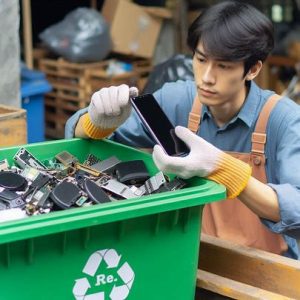 Electronic waste, or e-waste, includes discarded electronic devices such as smartphones, laptops, televisions, and batteries. As technology advances, people replace their devices more frequently, leading to an overwhelming amount of waste.
 Fencing is often seen as a long-term investment. However, the environmental consequences of certain materials can be quite harmful. Traditional wood fences, for example, come from cutting down trees, contributing to deforestation and affecting local wildlife and ecosystems. Additionally, these wooden fences can require regular maintenance, which involves toxic chemicals like paints and preservatives that are harmful to the environment.
 When it comes to safeguarding your travel trailer from the elements, a durable cover is your best line of defense. Whether you’re parked at a campsite, in your driveway, or in storage, exposure to the environment can cause significant wear and tear over time. From harsh UV rays that can fade your exterior to rain, snow, and debris that can lead to rust and damage, protecting your investment is essential for prolonging its lifespan. A high-quality travel trailer cover not only shields your vehicle from these threats but also helps maintain its resale value. If you’re looking for the perfect solution to keep your trailer in prime condition.



 Another benefit of this sustainable art form is its
 One of the perks of visiting South Korea for a business trip is the chance of experiencing the
 Currently, massage sessions in South Korea are recognized as a health therapy. Thai, Swedish and Aroma massages, foot spas and acupuncture are widely acknowledged as the most effective ways of relieving stress and body pinches to relax one’s body. It’s a treat regular international business travellers look forward to in South Korea.