
Heavy rainfall can overwhelm natural drainage systems and expose residential properties to serious water damage. Stormwater runoff, overflowing rivers, and blocked drainage channels can direct large amounts of water toward homes. When water accumulates faster than the ground or drainage infrastructure can absorb it, flooding becomes more likely. The National Weather Service explains that intense thunderstorms, saturated soil, and urban development can increase flood risks, particularly in low-lying communities.
Georgia provides a useful example of how weather conditions and local geography influence residential flooding. Thunderstorms, tropical weather systems, and seasonal humidity create different moisture challenges across the state. Homeowners seeking regional information can consult this Georgia water damage guide for an overview of local water damage causes, flood-related concerns, and general restoration considerations. Understanding these environmental factors helps explain why some properties experience repeated water intrusion.
How Heavy Rainfall Changes Water Movement
Rainwater normally follows several natural pathways. Some enters the soil, some evaporates, and the remaining water travels across the surface toward streams and rivers. Problems develop when rainfall exceeds the landscape’s ability to absorb or transport water.
Soil Saturation and Surface Runoff
Soil has a limited capacity to store water. During prolonged rainfall, the spaces between soil particles gradually fill. Once the ground becomes saturated, additional precipitation moves across the surface instead of soaking underground.
The National Weather Service identifies soil conditions, land slope, and previous rainfall as important factors influencing runoff. Steep terrain can accelerate water movement, while paved surfaces reduce infiltration. These conditions can cause nearby streams to rise rapidly and increase pressure on residential drainage systems.
Overflowing Rivers and Localized Flooding
Rivers and streams collect runoff from surrounding watersheds. During major storms, incoming water may exceed channel capacity and spread into nearby floodplains. Homes close to waterways can experience rising water even when rainfall at the property itself is relatively moderate.
Localized flooding follows a different pattern. Blocked storm drains, undersized drainage pipes, and poorly maintained ditches can cause water to accumulate along streets and residential lots. The Federal Emergency Management Agency (FEMA) recommends maintaining drainage routes to reduce water accumulation around buildings.
Why Residential Buildings Become Vulnerable
Flooding does not always involve rivers overflowing their banks. Water can enter homes through damaged roofs, foundation gaps, basement openings, and poorly positioned drainage outlets. Small maintenance problems often become more serious during extended storms.
Roof Damage and Overflowing Gutters
Roofs provide the first barrier against rainfall. Missing shingles, damaged flashing, and deteriorated seals can allow moisture into attic spaces. Once inside, water may travel through insulation, ceiling materials, and wall cavities.
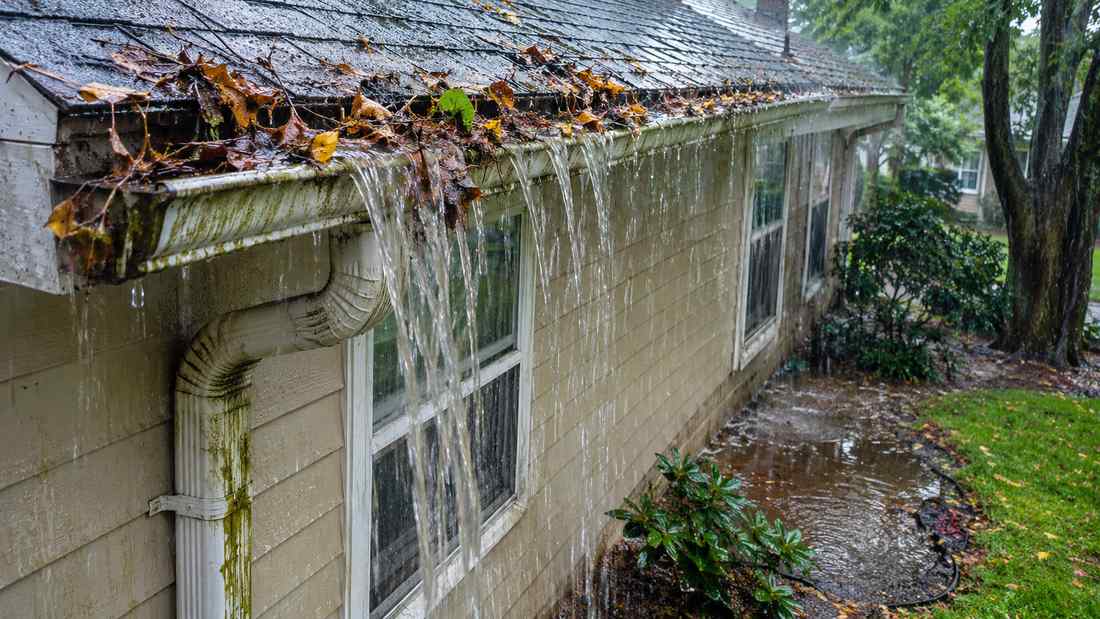
Gutters serve a related purpose by directing roof runoff toward downspouts. When leaves and debris block these channels, overflowing water can soak exterior walls or collect beside foundations. Repeated exposure may gradually damage building materials.
Poor Grading and Foundation Moisture
Landscaping influences how stormwater moves around a property. Ideally, the ground should slope away from the building. Depressions near exterior walls can instead create areas where water collects after rainfall.
FEMA advises homeowners to examine drainage patterns during ordinary rainstorms and improve grading where necessary. Redirecting surface water away from foundations can reduce seepage, basement dampness, and repeated moisture exposure.
Georgia’s Weather and Residential Flood Risks
Georgia experiences several weather patterns that contribute to flooding. Frequent thunderstorms bring intense rainfall, while tropical systems can deliver widespread precipitation over extended periods. Coastal communities face additional risks from storm surge and tidal flooding.
The Georgia Emergency Management and Homeland Security Agency reports that severe thunderstorms are among the state’s most common natural hazards. Its historical records describe extensive flooding around metropolitan Atlanta in September 2009, when prolonged rainfall damaged thousands of buildings.
The National Oceanic and Atmospheric Administration (NOAA) also documents significant rainfall associated with tropical systems affecting Georgia. Tropical Storm Alberto produced exceptional precipitation in 1994, demonstrating how storm remnants can create serious inland flooding.
Georgia’s humid summers introduce another challenge. Damp outdoor conditions can slow natural drying after water enters a home. Without adequate ventilation or moisture control, wet materials may remain vulnerable to deterioration and microbial growth.
Beyond property maintenance, community awareness of environmental risks can help residents better understand local flooding concerns. Online discussions and shared experiences can encourage homeowners to recognize warning signs, exchange practical prevention tips, and stay informed about weather-related hazards.
Environmental and Structural Consequences of Prolonged Moisture
Standing water can affect building materials long after rainfall ends. Drywall absorbs moisture, wooden components may swell, and insulation can lose its effectiveness. Prolonged exposure can weaken certain materials and increase repair requirements.
Floodwater also presents environmental health concerns. The Centers for Disease Control and Prevention (CDC) warns that floodwater may contain sewage, bacteria, agricultural waste, and industrial pollutants. Contaminated materials require careful handling because ordinary drying may not eliminate these hazards.
Mold presents another concern. The Environmental Protection Agency (EPA) recommends drying flooded buildings and affected belongings within 24 to 48 hours whenever possible. Materials that remain damp can support mold growth, potentially affecting indoor air quality.
Following serious flooding, residents should confirm that structures and electrical systems are safe before entering. Professional assessment may be necessary when contamination, extensive saturation, or hidden moisture is suspected.
Practical Measures to Reduce Residential Flood Damage
Homeowners cannot control rainfall, but routine maintenance can reduce many pathways through which water enters buildings. The following measures support better drainage and long-term property protection:
- Clean gutters and downspouts regularly to maintain proper roof drainage.
- Inspect roofing materials, flashing, and exterior seals before storm seasons.
- Maintain landscaping slopes that direct runoff away from foundations.
- Keep drainage ditches and approved stormwater outlets free from debris.
- Check basements, crawl spaces, and exterior walls for recurring moisture.
- Review local flood maps and consider appropriate flood insurance coverage.
These measures cannot eliminate every flooding risk, particularly during extreme weather. However, they can limit water accumulation and help residents identify vulnerabilities before serious damage develops.
Conclusion
Residential water damage reflects the relationship between rainfall, soil conditions, drainage capacity, and building maintenance. Understanding these connections helps homeowners recognize where moisture problems may begin. As communities face recurring storms and changing rainfall conditions, preventive inspections, responsible landscaping, and effective drainage management remain practical ways to strengthen household resilience.